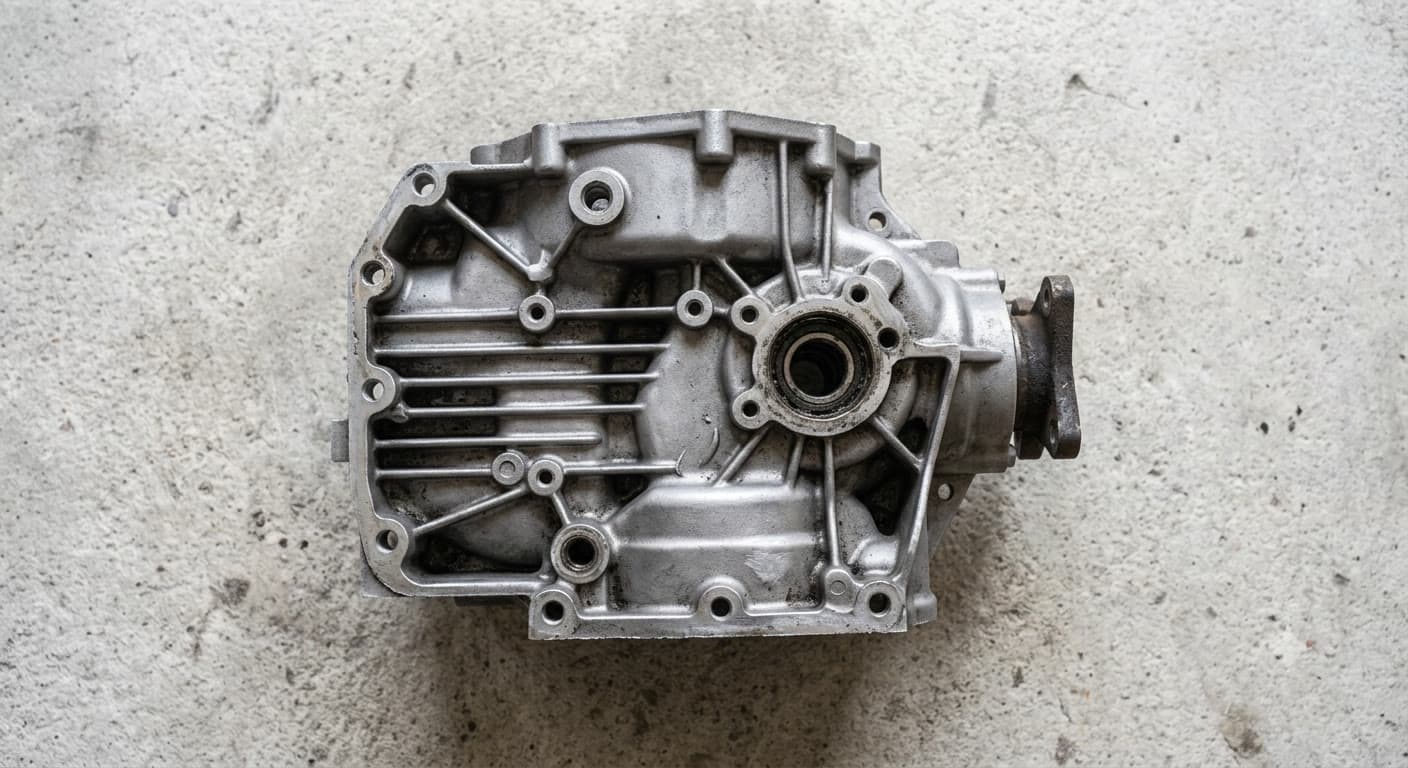
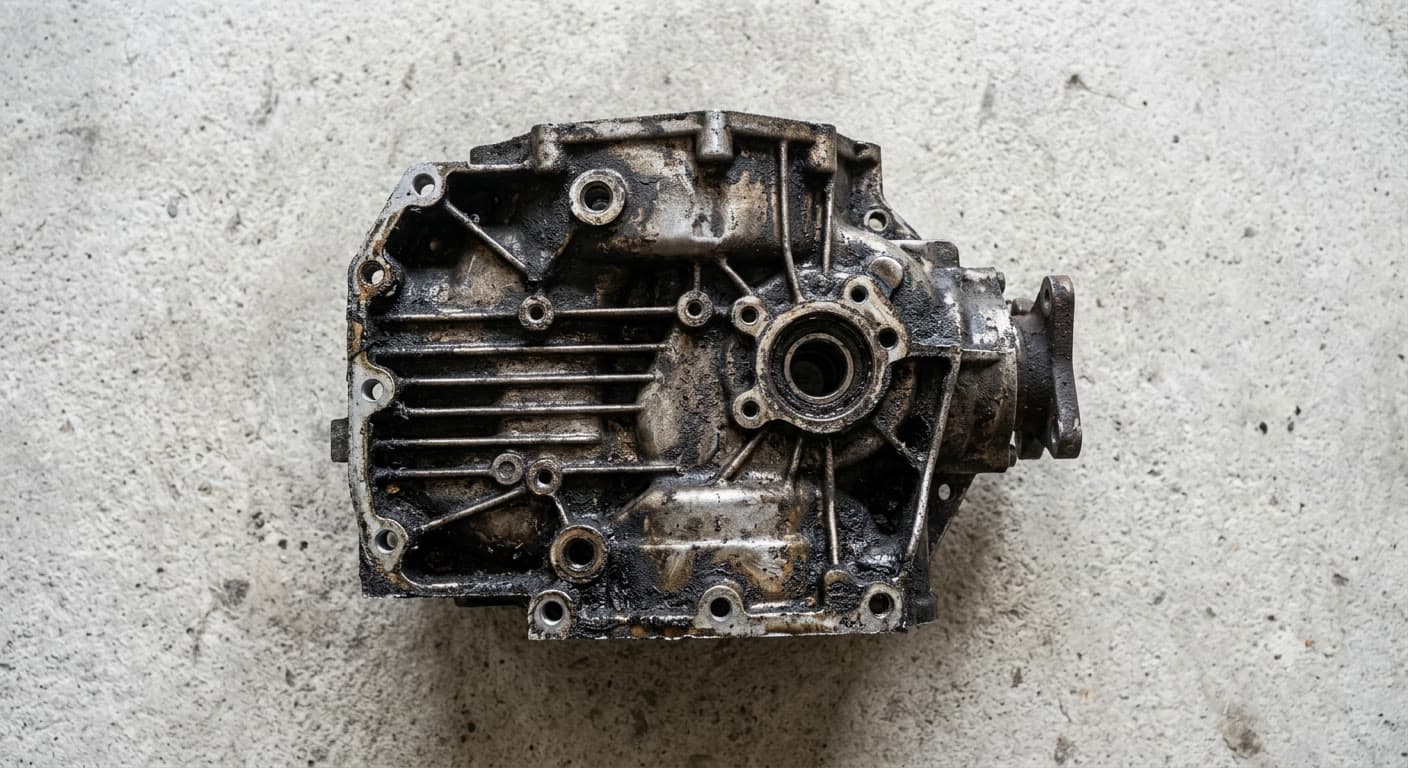
Not every cleaning job is rust. Thin oil films, release agents and baked-on production residue absorb the laser energy and vaporise away, giving you a clean, dry surface with no solvents, no wash tanks and no rags. (Thick, wet grease is better wiped down first — the laser is at its best on thin films and baked-on residue.) For manufacturing and maintenance, that means a repeatable clean that fits into the process.
Why laser beats the alternatives here
Solvent degreasing consumes chemicals, needs ventilation and leaves parts wet. Ultrasonic and wash tanks can't reach complex internal geometry and add a drying step. Laser cleaning is dry, precise and selective — ideal for prepping surfaces for bonding, coating, welding or inspection, where any residue would cause a failure.
How the GM Mini handles it
The single-hand gun and long focal length reach into castings, housings and awkward geometry that a wash process never fully cleans. Because it's air-cooled and mobile, it goes to the line or the maintenance bay rather than the other way round.
Typical jobs
- Degreasing machined and cast parts before assembly
- Cleaning moulds and tooling in place, between runs
- Removing release agents and residue before bonding or coating
- Maintenance cleaning of machine components and fixtures
Not sure it'll work on your part?
Send us a greasy or contaminated part — we'll clean it on video and show you the result.